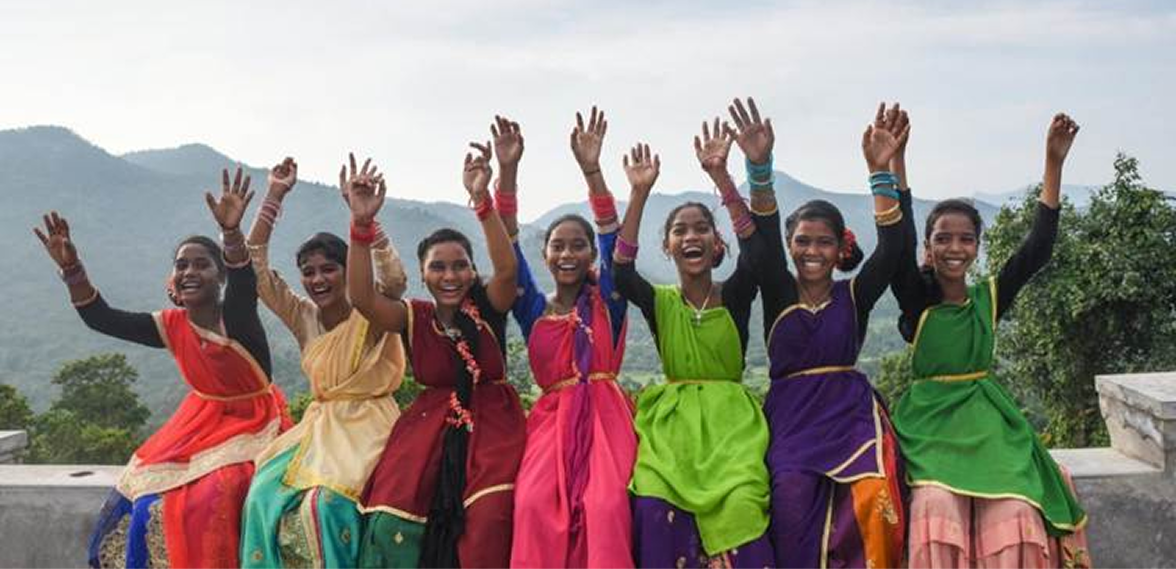
“When women lead, climate resilience increases.”
This is not just a slogan; it is a finding supported by a 2023 FAO-UN Women report, which shows that climate programs involving active participation from women’s collectives are up to 20% more likely to have a lasting impact in areas such as adaptation, access to clean energy, and resilience building.
Women play a vital role in food production, water management, and disaster response, yet they and their networks are woefully under-represented in climate planning, finance, and policymaking.
In India and Asia, women’s collectives and networks can be powerful drivers of the climate and energy transition. With women comprising more than half the population and serving as key stewards of natural resources, especially in agriculture, water management, and rural livelihoods, their voices must be included in climate policy, technology, and energy decision-making.
Failing to amplify their representation is not merely a question of equity; it directly hampers the effectiveness and urgency of our climate response. To build a sustainable future, we must prioritise the inclusion of women and tap into their invaluable insights and expertise.
Why Women’s Networks Matter in Climate Action
1 | Disproportionate Impact, Under-represented Voice
Women in South Asia, particularly rural India, are among the most affected by climate change (facing water scarcity, crop loss, migration, and health risks) and the least represented in policy-making and finance. Nearly 70% of agricultural labor in India is done by women, yet their voices are nearly absent in climate negotiations and energy transition planning.
2 | Proven Local Leadership
Women’s collectives, such as self-help groups (SHGs), farming cooperatives, or grassroots networks, are effectively fostering adaptation and resilience.
- Swayam Shikshan Prayog: Supports 300,000+ women entrepreneurs in climate-smart farming, clean energy, and disaster resilience.
- EquiLeads (India): Elevates young women leaders in the climate action space through fellowships and ecosystem partnerships.
Pan-Asia & Global South Examples
- WOCAN (Asia): Created the Women’s Carbon Standard to link rural women to global climate finance.
Growing Climate-Focused Women’s Networks
Government & Institutional Momentum
India’s policy ecosystem is catching up with grassroots momentum. The National Action Plan on Climate Change (NAPCC) and most State Action Plans (SAPCCs) now include gender components. However, implementation remains weak.
Major institutional enablers:
- National Rural Livelihoods Mission (NRLM): 80+ million women in SHGs, many now implementing water conservation, solar energy distribution, and agri-resilience models.
- Mission Shakti (Odisha): Funds federated SHGs engaging in afforestation, solar installations, and livelihood adaptation.
- Kudumbashree (Kerala): A global model of women’s collective entrepreneurship in organic farming and energy access.
- PM-KUSUM & Ujjwala Yojana: Have had indirect but strong gender outcomes in clean energy access.
- State-level CMNF programs (e.g., Andhra Pradesh): Women SHGs lead sustainable natural farming at scale.
What We Need Now
Embed Women’s Leadership Across Climate Efforts
Women’s networks aren’t optional stakeholders. They are critical engines of climate adaptation, community transition, and nature-based resilience. Studies show that women-led programs are more inclusive, locally grounded, and effective in achieving outcomes.
What needs to happen:
- Elevate women’s federations and SHGs into official climate decision platforms.
- Fund and scale proven models of collective-led green livelihoods.
- Institutionalise gender budgeting and gender metrics in all climate programs.
- Elevate women’s federations and SHGs into official climate decision platforms.
- Fund and scale proven models of collective-led green livelihoods.
“Women must be at the core of climate action—not just as beneficiaries, but as leaders, innovators, and decision-makers.”
References
- Earth Journalism Network – Understanding How Climate Change Affects Women in the Asia-Pacific Region
- CAN South Asia – The Under-Representation of South Asian Women in Climate Change Debates
- UNFCCC – Mahila Housing Trust: Women for Results
- Climate Diplomacy – Women’s Role in Climate Diplomacy in South Asia
- Observer Research Foundation (ORF) – Climate Change and Women
- PwC India – Gender Equality in Climate Action
- Climate Reality Project – Meet the Women Leading the Climate Fight in India and South Asia
- National Bureau of Asian Research (NBR) – The Intersection of Climate Change and Gender Equality in South Asia